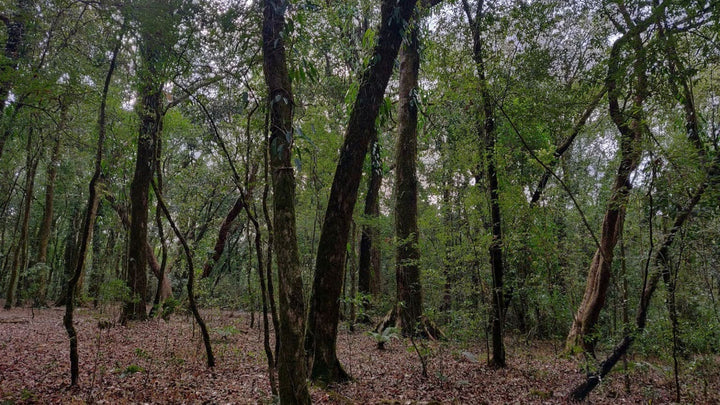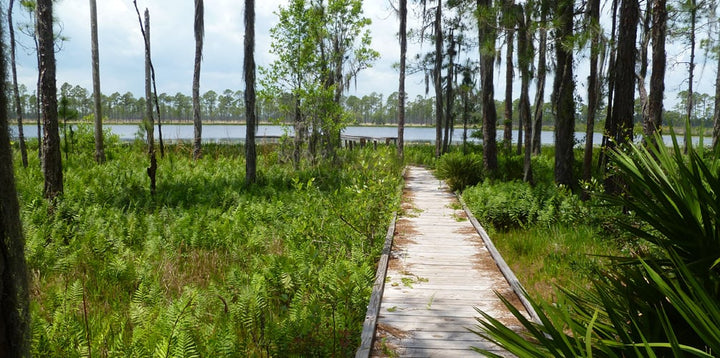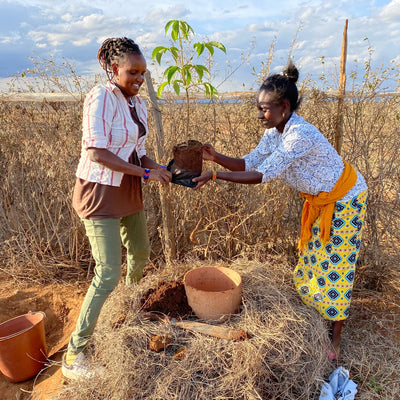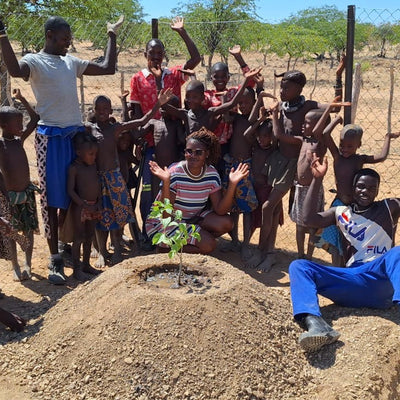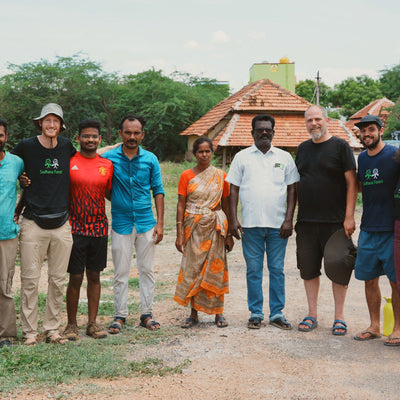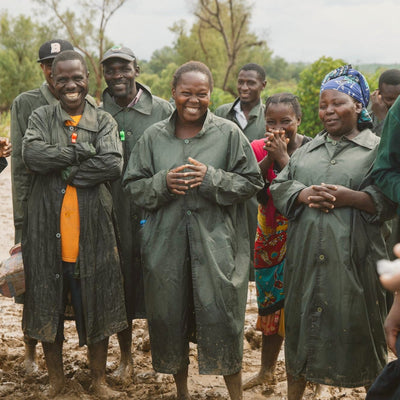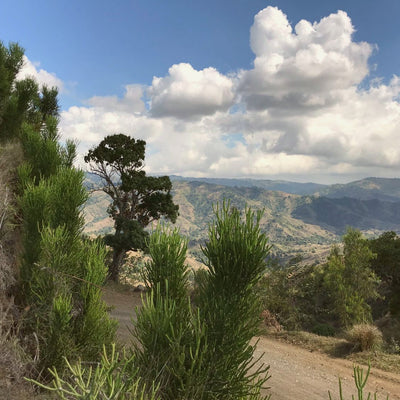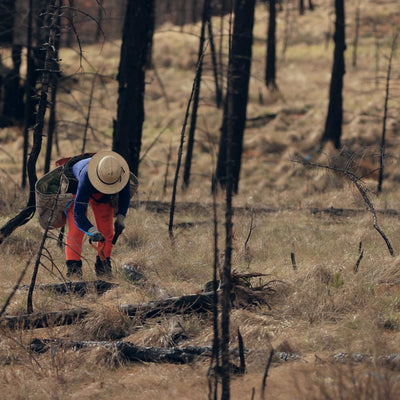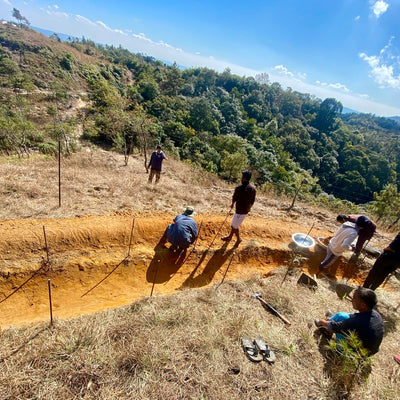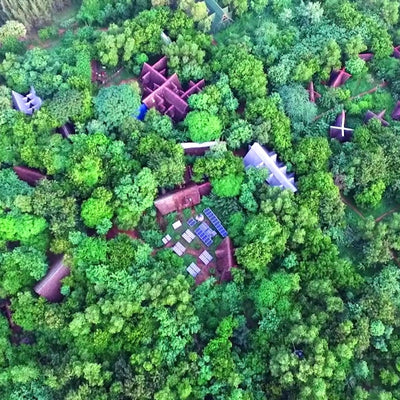
On 6 July 2021, the Bootleg Fire started in southern Oregon. By mid-August it had burned 413,765 acres across Klamath and Lake counties, the third largest fire in the state since 1900. This is where Greenr Gifts trees in Oregon were first planted, with American Forests.

How big the fire was
413,765 acres is about 647 square miles. That is more than twice the land area of New York City, all five boroughs.
It started with lightning, near a peak called Fuego Mountain (fuego is Spanish for fire), and it moved fast. The wood and plants that feed a fire were at record low moisture, less than half of what is usual for that time of year. The fire doubled in size in four days. By mid-July, CNN worked out, it had been spreading at about 24,000 acres a day on average, just over 1,000 acres every hour. That is more than the whole of Central Park, every hour.
The fire was hot enough to make its own weather. Its smoke built clouds as high as 45,000 feet, which threw down lightning of their own. By the time it was contained on 15 August, it had destroyed 161 homes.
Why the forest can't just grow back
A forest that burns lightly recovers from the trees left standing. Much of this one didn't burn lightly. Since 2018, about 660,000 acres have burned in Klamath and Lake counties, and about two thirds of that burned at high severity: it lost three quarters or more of its living tree cover.
Pine seeds don't travel far from the tree that drops them, and the chance of new trees falls off steeply with distance. When American Forests, the Forest Service, the Klamath Tribes and their partners mapped what the burned land needs, they treated any spot more than 130 feet from surviving forest, less than half the length of a football field, as land that will need planting. About 250,700 acres of high-severity burn fell into that group. Only about 21,000 acres were close enough to living trees to reseed themselves.
Something else is waiting in the ground. Snowbrush, a native shrub, grows under the open pine forests of south-central Oregon, and its seeds can lie in the soil for up to 200 years. Their hard coats crack open in the heat of a fire, and the shrub can take over a burned slope within two to eleven years. The 2023 regional plan expects high-severity areas to come back as dense shrub fields full of dead wood over the next 5 to 20 years. That fuel can carry the next fire through, killing the young trees that did manage to start. This is why Oregon's forestry department, the Forest Service and private landowners saw an urgent need to replant, to stop burned forest here from turning into shrubland or grassland.
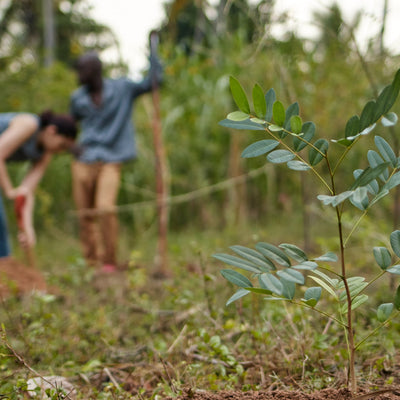
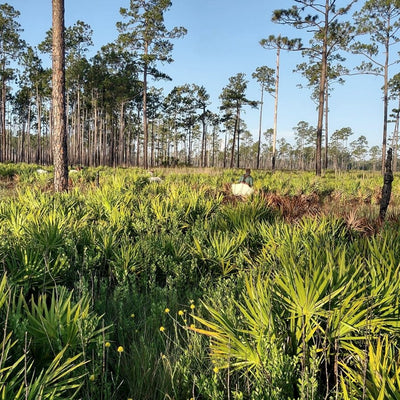
On 16 and 19 May 2025, a crew of 48 planters planted more than 100,000 seedlings here. Most were ponderosa pine, with lodgepole pine, western larch and white fir.

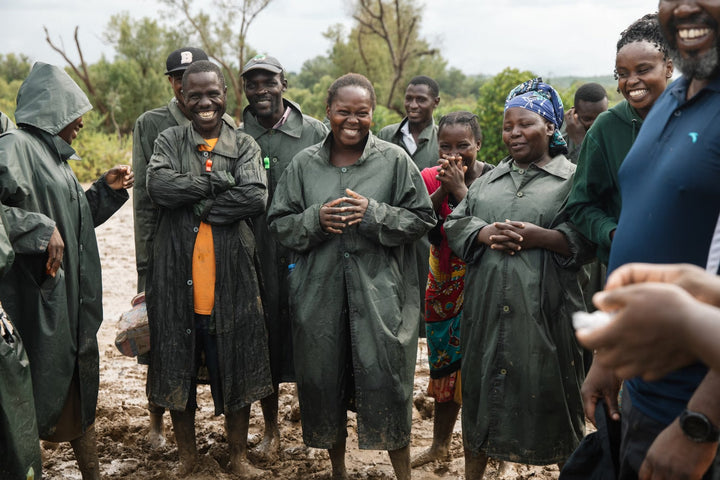
Veritree visits American Forests' post-fire work in the Klamath Falls Basin, southern Oregon (July 2025).
What comes back first
The shrubs are not all bad news. Snowbrush takes nitrogen from the air and puts it back into burned soil, and deer and elk browse it, especially in winter. Young conifers that get established among it can rise above it in 10 to 30 years. Planting gets them started.
The dead trees matter too. The black-backed woodpecker, a bird Oregon lists as sensitive, is often one of the first animals to move into a burned forest east of the Cascades. It feeds mainly on wood-boring beetles, and it nests in dead trees. In northeast Oregon it favours ponderosa pine and western larch, two of the trees being planted here.

Sources: Greenspark planting records for the Bootleg Fire recovery area (May 2025); "Bootleg Fire", Wikipedia, citing InciWeb, CNN and The New York Times; CNN, "The largest wildfire in the US is only 7% contained" (16 July 2021); US Census Bureau, QuickFacts: New York city (land area, 2020); Western Livestock Journal, "USFS evaluates post-Bootleg Fire damage" (September 2021); American Forests and partners, South Central Oregon Integrated Post-Fire Resilience Strategy (July 2023); Oregon Department of Forestry, 2024 Federal Forest Restoration Program Report (December 2024); Anderson, "Ceanothus velutinus", USDA Forest Service Fire Effects Information System (2001); Oregon Conservation Strategy, "Black-backed Woodpecker"; veritree, "Restoring Oregon's Forests: veritree Trip Highlight" (video, July 2025).