
How we choose our planting partners

We don't plant the trees ourselves. Every tree given through Greenr Gifts is planted by one of our partners, so choosing those partners is the most important thing we do. Here's what we look for, and the kinds of projects we've turned down.
We meet every partner first
Before we plant with anyone, we meet them. We want to know which trees they plant and why, who does the planting, and how the young trees are looked after once they're in the ground. If we can't get clear answers, we don't go ahead.
The right trees for the land
When the aim is to restore land, we plant native species, the trees that naturally grow there. That means mangroves on the coasts of Kenya and Brazil, and pines in Oregon and Florida. In the food forests, families also plant fruit and nut trees that they choose with the planting team, picked to suit the climate and to feed them for years to come.
We don't plant with commercial landscaping projects, like decorative planting in parks, office grounds or along roads. That kind of planting has its place, but it isn't restoration.
The people doing the work
Young trees survive when the people looking after them have a reason to, so we look at how they're paid and supported. At Mteza Creek in Kenya, EarthLungs now has 15 permanent staff, and we wrote about what a steady wage means there. At Primeira Cruz in Brazil, SamaÚma hires mostly from local fishing communities, and at least half of new jobs go to women. You can meet João, who leads the monitoring there.
Sadhana Forest’s approach is a big part of why we plant with them. They look at the whole problem before they plant anything: the local families, the government, the businesses involved and the land itself. They work out what’s pushing people to cut trees down in the first place, and then work to change it, so that looking after trees makes more sense than clearing them.
Their food forests are a good example. They plant food trees in people’s own backyards, so each tree feeds the family that looks after it. A tree that gives fruit, leaves or pods every year is worth far more to that family standing than cut down for charcoal or firewood, so they water it, keep animals away from it and protect it. Shadrak is a good example. When he was four, his family in Samburu County, Kenya, gave him a moringa seedling to look after. He’s 12 now, the tree towers over the house, and he picks its leaves for cooking and collects its pods every year. We wrote about Shadrak’s moringa tree.
They also work on the problems around the trees, like water and cooking fuel. In Haiti, that has meant stoves that burn less wood and getting water onto dry hillsides.
Knowing the planting happens
We only plant with partners we can check on. Either they send us evidence of the planting, or we know them personally, have visited the site and are welcome to go back any time.
Two organisations help with this. Veritree works on the ground with several of our projects, checking that the planting happened and going back later to see how many young trees survived. Greenspark is the technology that connects gifts to plantings with most of our partners and sends the reports back to us. That's what's behind our planting record.
Projects we've said no to
We've turned down commercial landscaping projects, for the reasons above. We've also said no to some very large tree-planting programmes. The work isn't necessarily bad, but at that size there are so many layers and automated systems between the gift and the tree that we couldn't see what actually happens on the ground.
We also recently stopped working with one project because they stopped answering our questions. If we can't check on the trees, we won't send a partner new ones.
Who we plant with today
You can see all our partners on our planting partners page, and every project, with its trees and the people who plant them, on our projects page. If you have a question about any of them, just ask.
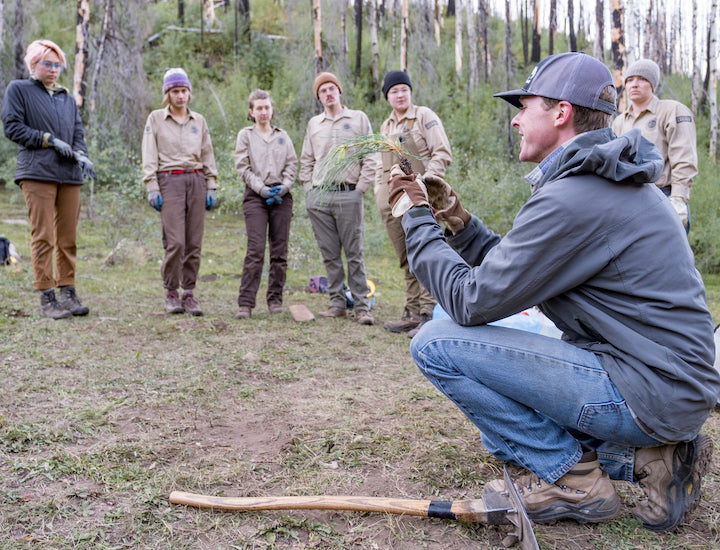
American Forests
American Forests is the oldest national nonprofit conservation organization in the United States, whose projects range from working with local partners to plant trees to educating U.S. Congressional leaders about new policies and programs that could help reforest America.
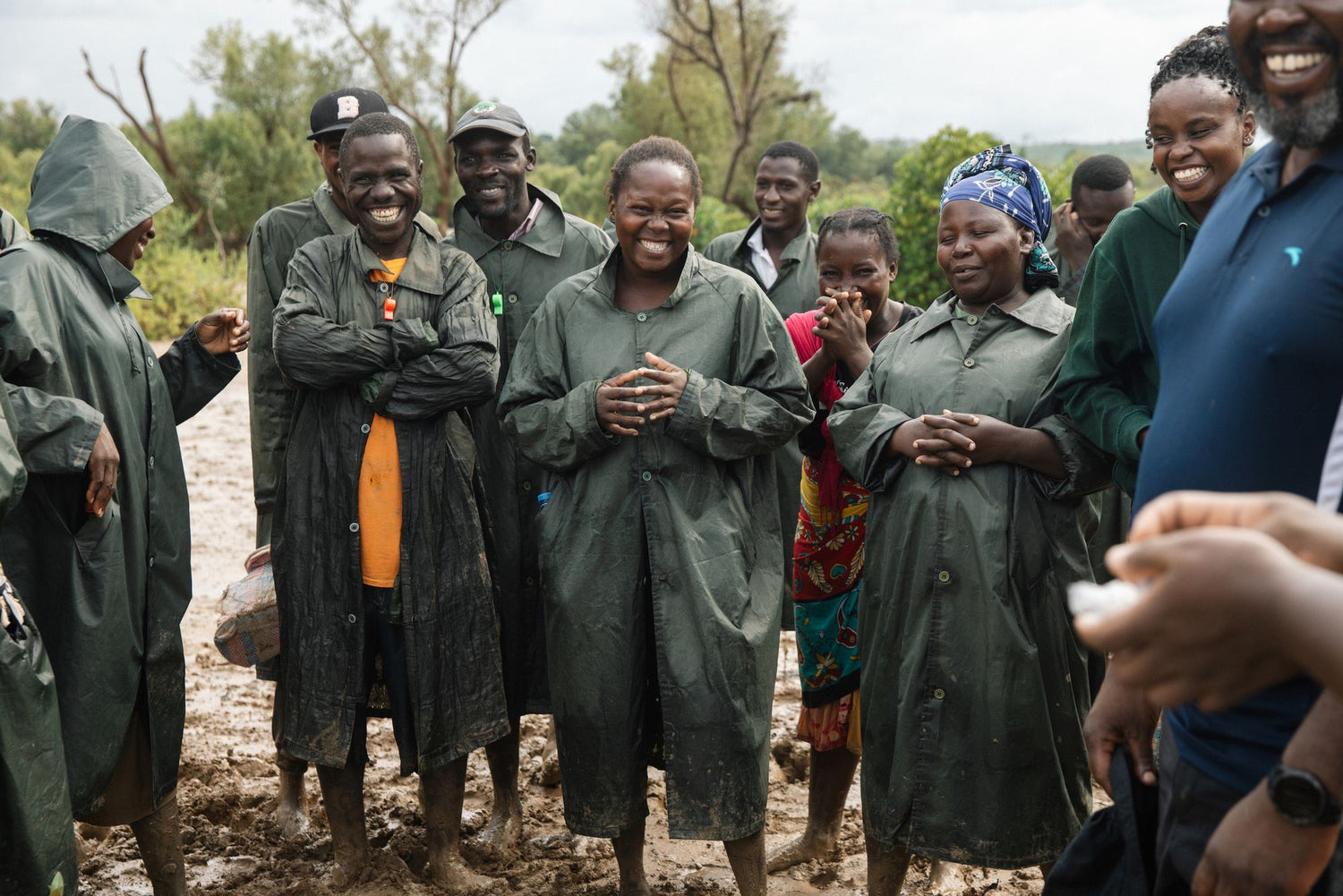
Earthlungs Reforestation Foundation
EarthLungs Reforestation Foundation is a Not for Profit Organization that works with local communities and public gazetted forests under the management of KFS (Kenya Forest Service), to improve the health of African forests.
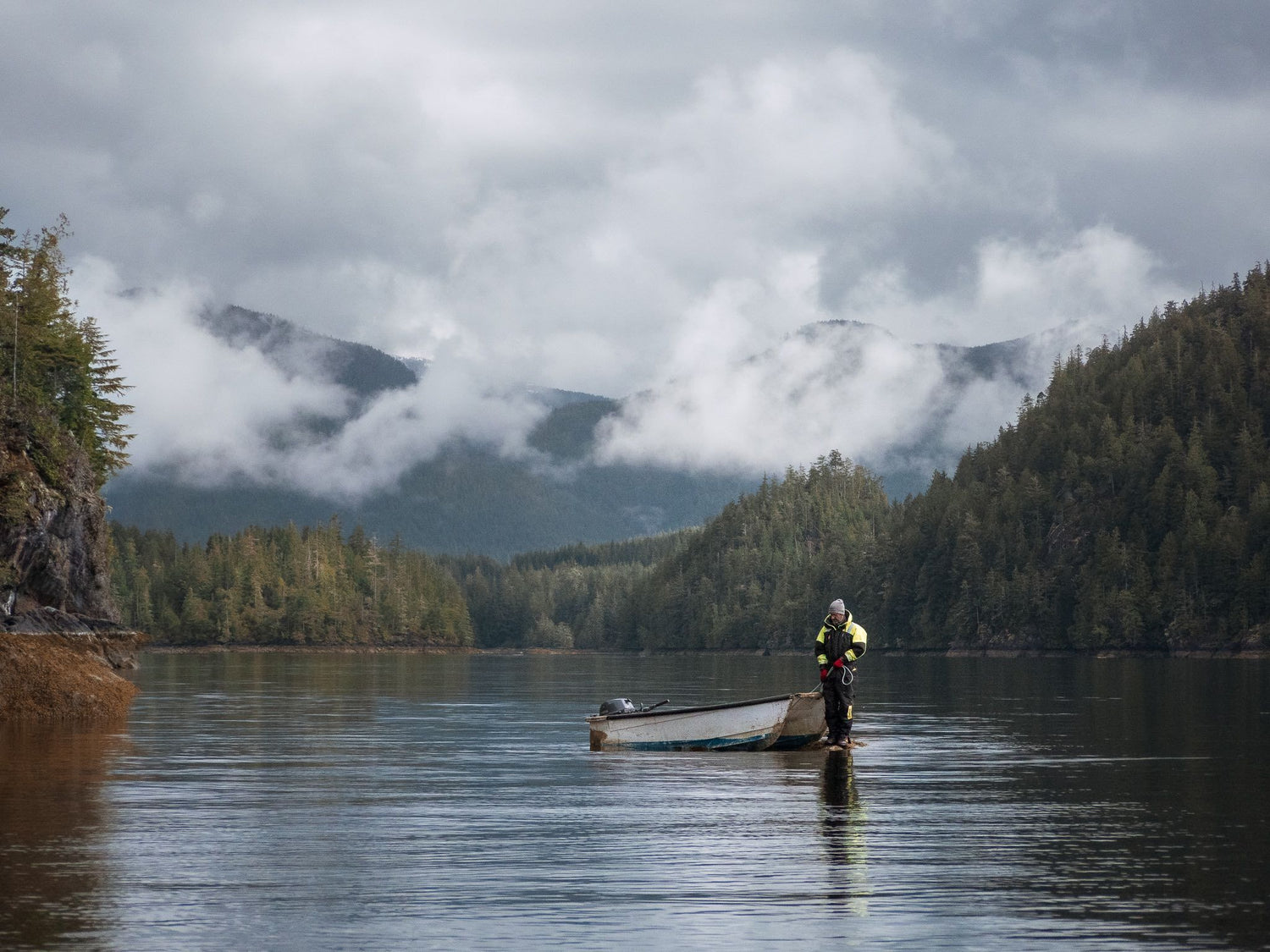
Coastal Kelp
Coastal Kelp is an organization that brings together farmers in the coasts of British Columbia, to facilitate Kelp restoration and improve the health and biodiversity of the ocean.

SamaÚma
SamaÚma restores mangroves at Primeira Cruz, in Maranhão on Brazil's Amazon coast. It hires mostly from local Quilombola fishing communities, with at least half of new jobs going to women, and its plantings are monitored and verified by Veritree.

Mother Trees
Mother Trees helps farming communities restore land through agroforestry. In Haiti it works with Fanm Limyè, a women-led association of beekeepers in the West and Nippes departments, planting trees that support honey and food production.
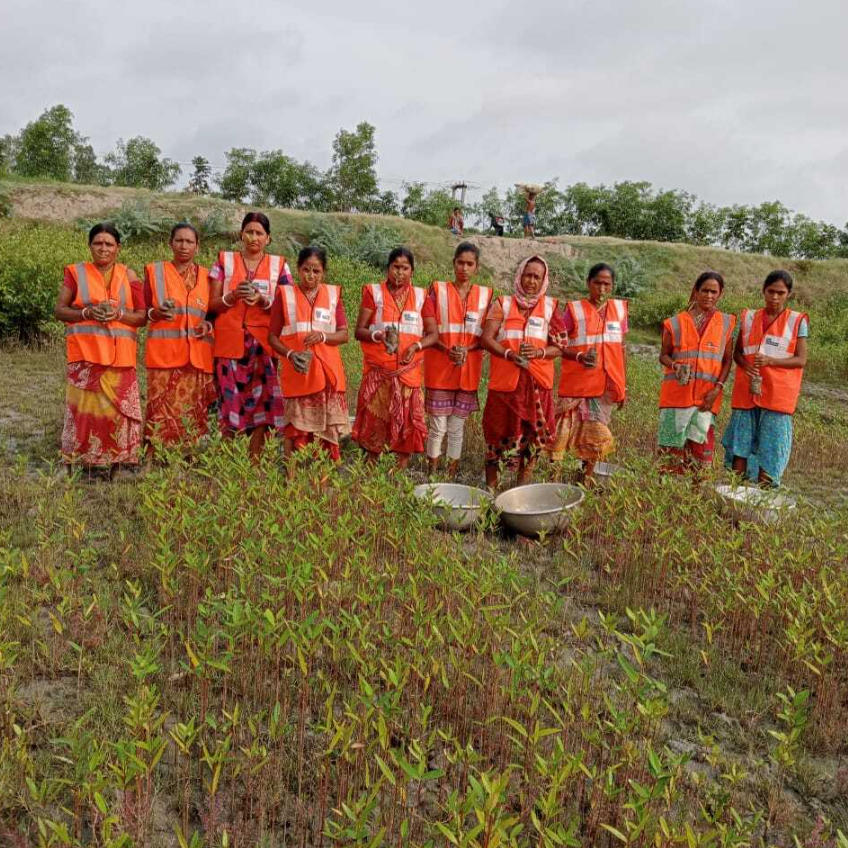
Go Dharmic
Go Dharmic is a humanitarian organization focused on social and environmental causes, including hunger relief, education, disaster response, and sustainability initiatives. As part of its reforestation efforts, it runs a mangrove plantation project to restore coastal ecosystems and combat climate change.
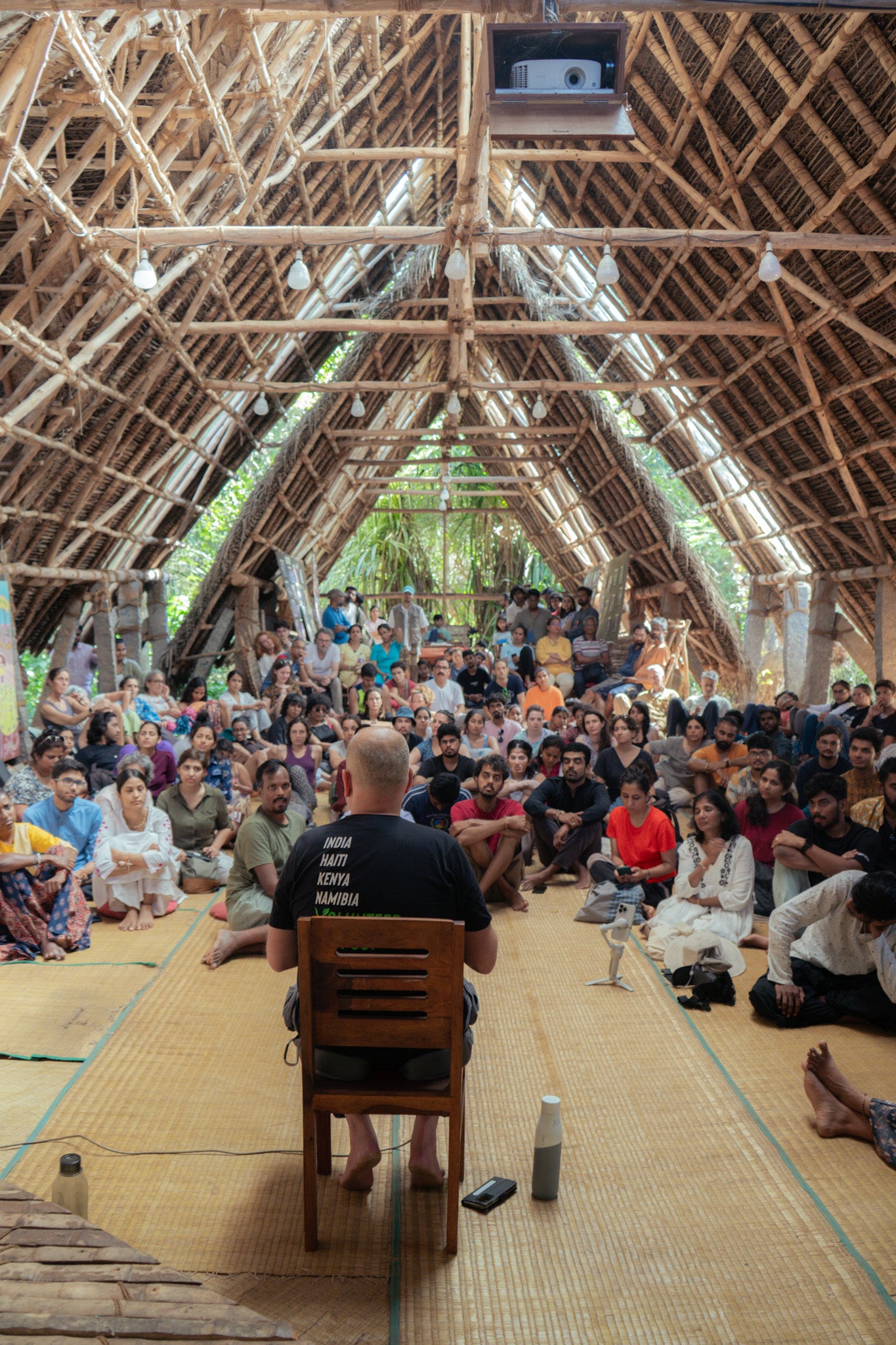
Sadhana Forest
Founded in 2003, Sadhana Forest is an organization dedicated to ecosystem restoration of
severely degraded lands in India, Haiti, Kenya, and Namibia. The organization's mission is to combat desertification, restore native biodiversity and contribute to long-term food security for malnourished rural communities.